Saboba District
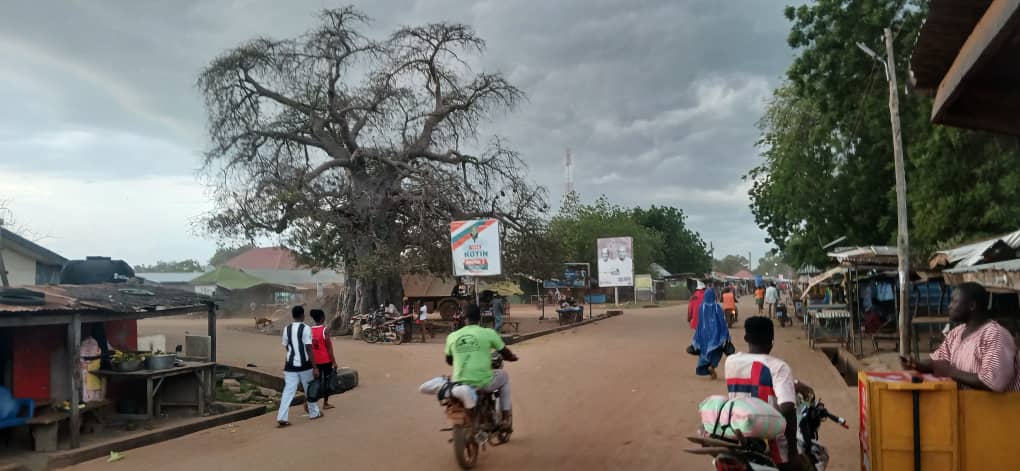
Saboba District is a community of vibrant, progressive, and compassionate people. A largely rural district in Ghana’s Northern Region with Saboba as its capital. According to the 2021 Population and Housing Census, the district has 95,683 people, made up of 47,172 males and 48,511 females, showing a slightly higher female population. The district is home mainly to the Konkomba people alongside other ethnic groups, and livelihoods are centered on farming and local trade, supported by strong traditional leadership and community cooperation.
Culturally, Saboba is rich in heritage and tradition. The district hosts important sites such as the Kpegu ancestral bones/heritage site, the sacred stone at Wauli, and historical markers like the Gold Coast policeman’s grave at Zegbeli, alongside old rest-house and bridge locations tied to early settlement and movement. Cultural life is highlighted by the annual Ndipoandaan (Guinea Corn–Sorghum) Festival, bringing communities together through durbars, rites, music, and dance. Popular Konkomba dances—often performed at festivals, funerals, and weddings—include Kinachung, Njeem/Ichaa, Tibaln, and Nbanba, known for energetic drumming and colorful regalia. Visitors commonly experience warm local hospitality through respectful greetings, shared meals, and open inclusion in community gatherings and market life.
Background
The Saboba District was originally part of the Saboba/Chereponi District, which was carved out of the Yendi District in 1988. In 2007, the Government of Ghana, through Legislative Instrument (L.I) 1854, split the Saboba/Chereponi District into two separate districts – Saboba District and Chereponi District.
Saboba District is one of the 261 Metropolitan, Municipal and District Assemblies (MMDAs) in Ghana and forms part of the 16 MMDAs in the Northern Region.
Location and Size
The District is located in the northeastern corridor of the Northern Region of Ghana.
It lies between latitudes 24° and 25° North and Longitudes 27° and 13° east, covering a total land area of approximately 1,802 square kilometers (km2).
Boundaries
North: Chereponi District
South: Tatale-Sanguli District
West: Yendi Municipal and Gushegu Municipal
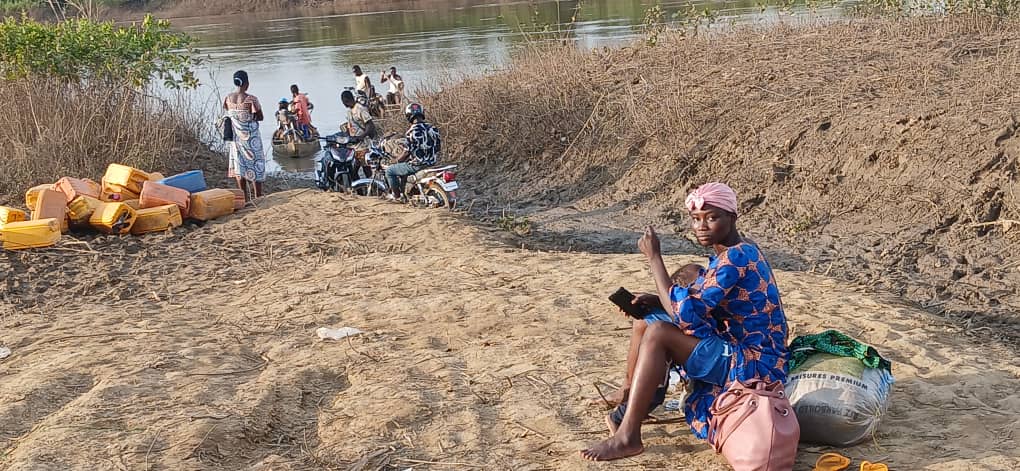
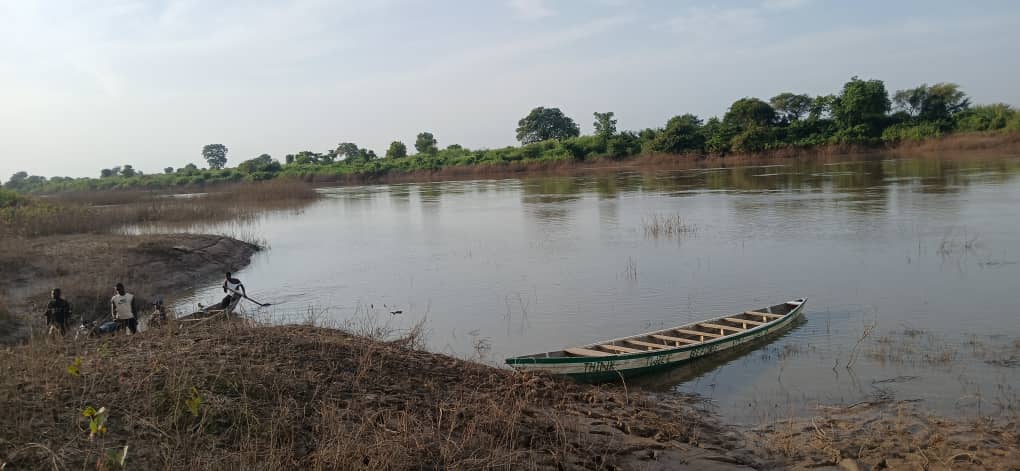
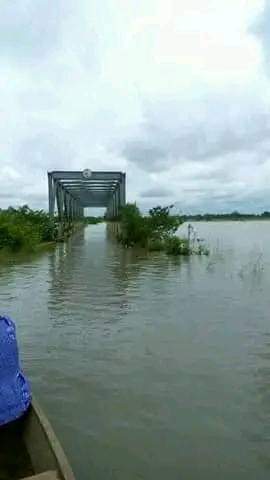
East: River Oti, which serves as the international boundary between Ghana and the Republic of Togo.
Population
According to the 2021 Population and Housing Census (PHC), the Saboba District has a total population of 95,683, comprising 47,172 males and 48,511 females.
Population Distribution
Rural: 84,878 (41,817 males; 43,061 females)
Urban: 10,805 (5,355 males; 5,450 females)
District Economy
Agriculture
Agriculture is the backbone of the district’s economy, engaging about 70% of the workforce.
Major crops cultivated include millet, maize, rice, groundnut, beans, sorghum, yam, soya beans, and guinea corn.
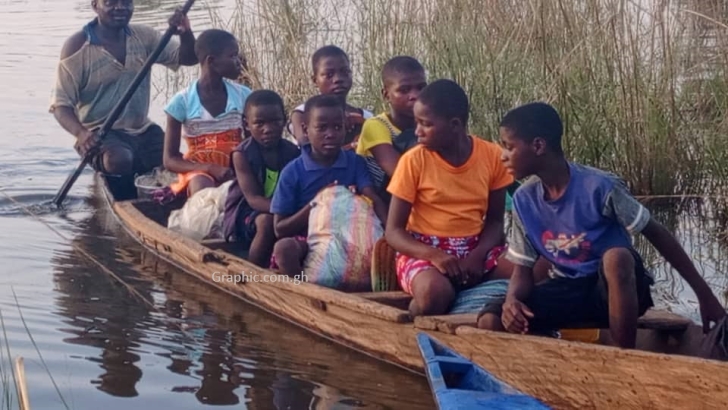
Fishing and hunting also contribute to the livelihoods of the people.
Markets
There are five (5) major markets in the district, which operate weekly. These include Saboba, Wapuli, Kpalba, Gbangbapong, and Demon.
The District Assembly mobilizes a significant portion of its internally Generated Funds (IGF) from these markets centers.
Education
The district has a mix of public and private educational institutions, as distributed below:
- Kindergarten (KG) 78
- Primary 78
- Junior High School (JHS) 41
- Senior High School (SHS) 2
- Technical and Vocational Education and Training (TVET) 1
- Enrolment (2024/2025 Academic Year)
- Total: 29,741 pupils/students
- Males: 15,358
- Females: 14,383
- Teaching Staff: 747
Health
The district has a total of 34 health facilities, comprising; 1 hospital, 2 health centers, 2 clinics, 29 CHPS Zones.
Health care services are provided by 4 medical doctors, nurses, and other health professionals to meet the health needs of the population.
The Saboba District continues to play a vital role in the socio-economic development of the Northern Region through its strong agricultural base, growing educational infrastructure, and improving health service delivery. The District Assemblies remains committed to enhancing the well-being of its people through strategic development initiatives and efficient resource management.
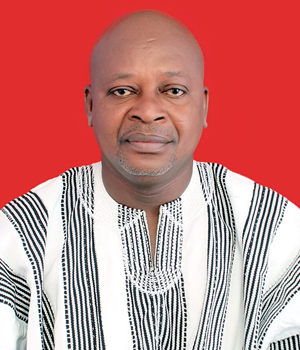
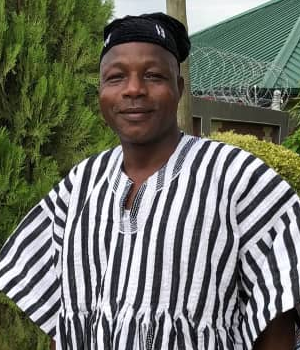
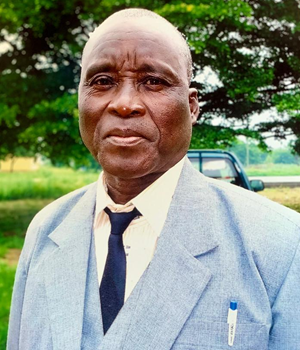
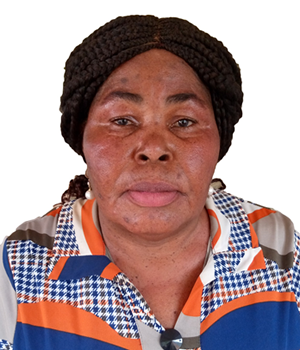
Prominent Personalities of Saboba District
Saboba District has produced remarkable individuals whose achievements continue to inspire progress within and beyond the community. Here are a few distinguished personalities who represent the district’s excellence in leadership, education, business, and public service.